

The global healthcare landscape is undergoing a major transformation in 2026 as the World Health Organization (WHO) pushes a powerful new strategy known as the “One Health” approach. Highlighted during World Health Day 2026, this model is rapidly becoming the foundation for how countries tackle modern health threats, from pandemics to climate-driven diseases.
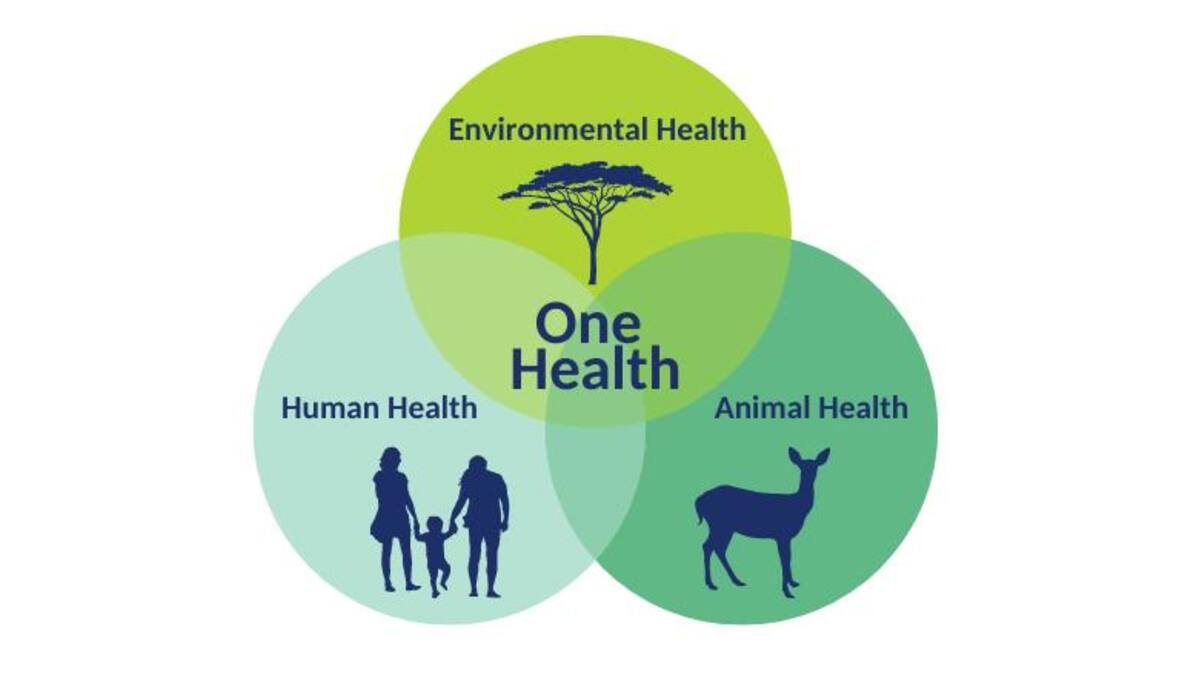
The One Health approach is built on a simple but transformative idea: human health cannot be separated from the health of animals and the environment. Instead of treating diseases in isolation, this model promotes a unified system where scientists, governments, and healthcare systems work together across multiple sectors. According to WHO, this approach aims to “balance and optimize the health of people, animals and ecosystems” in a sustainable way.
This shift comes at a critical time. The world is facing increasingly complex health challenges that are deeply interconnected. Climate change is altering disease patterns, leading to the spread of vector-borne illnesses like dengue and malaria into new regions. At the same time, zoonotic diseases—those that jump from animals to humans—continue to pose a major threat, as seen in past global outbreaks. WHO officials have warned that these risks are growing and require a coordinated, science-led response grounded in the One Health framework.
World Health Day 2026 marked a turning point for this strategy. Under the theme “Together for health. Stand with science,” WHO launched a year-long global campaign focused heavily on the One Health approach. The campaign emphasizes collaboration across countries and scientific disciplines to transform research into real-world action. This is not just symbolic—it is backed by concrete initiatives and global cooperation at an unprecedented scale.
One of the most significant developments was the International One Health Summit held in Lyon, France. The event brought together world leaders, scientists, and policymakers to discuss how to implement this approach on a global level. At the summit, WHO and its partners announced new initiatives aimed at preventing future health crises by strengthening surveillance systems, improving early warning mechanisms, and integrating environmental data into public health strategies.
In parallel, WHO also convened its first-ever Global Forum of Collaborating Centres, connecting over 800 institutions across more than 80 countries. This network represents one of the largest scientific collaborations ever organized under a United Nations agency. Its goal is to bridge the gap between research and real-world healthcare solutions, ensuring that scientific discoveries directly benefit communities worldwide.
What makes the One Health approach particularly powerful is its preventive focus. Traditional healthcare systems often respond to diseases after they emerge, but One Health emphasizes early detection and prevention. By monitoring environmental changes, animal health, and human activity together, experts can identify risks before they escalate into global crises. This proactive model is especially important in a world where pandemics, antimicrobial resistance, and climate-related health issues are becoming more frequent.
The approach also has major implications for policy and investment. Governments are now being urged to invest in cross-sector collaboration, integrating health systems with agriculture, environmental protection, and climate science. This includes building stronger data-sharing systems, funding interdisciplinary research, and creating policies that address health risks at their root cause rather than just treating symptoms.
However, implementing One Health is not without challenges. Coordinating multiple sectors across different countries requires significant resources, political commitment, and global cooperation. There are also concerns about aligning policies and ensuring that all nations, especially developing ones, have the capacity to participate effectively. Despite these challenges, the momentum behind One Health continues to grow, driven by the urgent need for more resilient health systems.
As the world moves forward, the One Health approach represents more than just a healthcare strategy—it is a fundamental shift in how we understand health itself. By recognizing the deep connections between humans, animals, and the environment, WHO is laying the groundwork for a more integrated and sustainable future.
In 2026, this shift is no longer theoretical. It is happening in real time, reshaping global health policies and redefining how the world prepares for the next major health challenge.


