

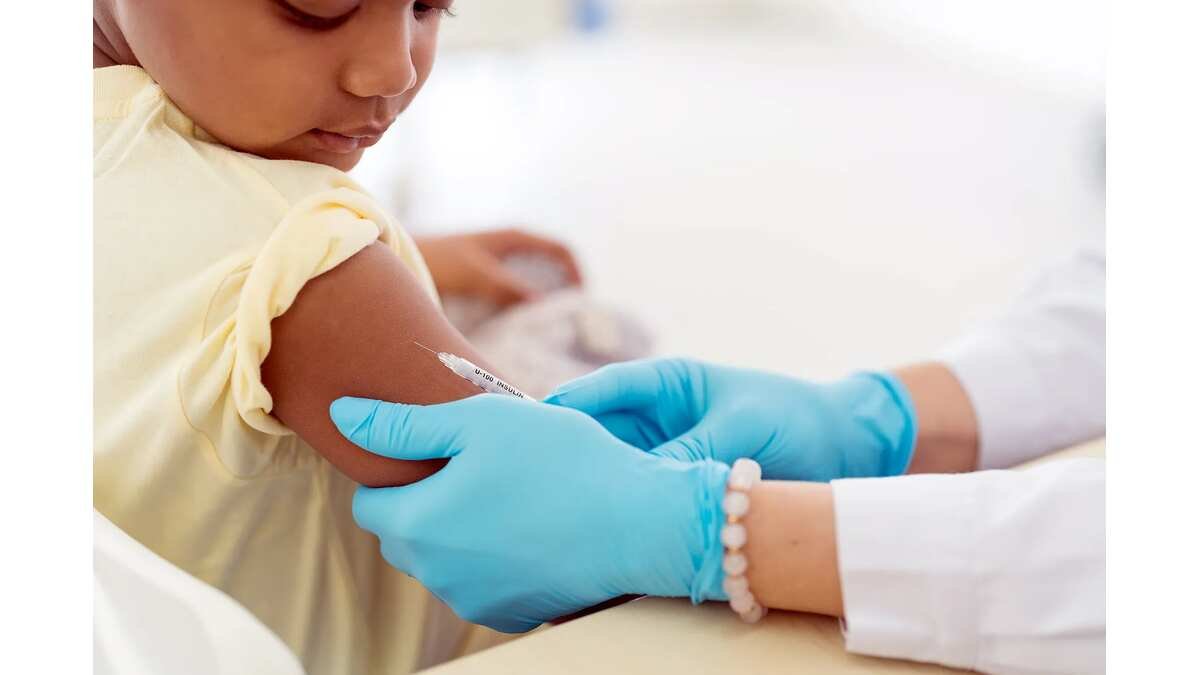
Health experts around the world are raising alarms as measles cases surge again in several countries. Once considered largely controlled in many regions, the highly contagious disease is making a troubling comeback as vaccination coverage drops and outbreaks spread across communities. Public health organizations warn that declining immunization rates, combined with international travel and misinformation about vaccines, are creating conditions for the disease to return in places where it had previously been eliminated.
Measles is one of the most infectious diseases known to medicine. The virus spreads through respiratory droplets when an infected person coughs or sneezes, and it can remain active in the air for hours. Because of this extreme contagiousness, vaccination coverage must remain very high to prevent outbreaks. Experts say at least 95 percent of a population must be vaccinated with two doses of the measles vaccine to maintain herd immunity and stop the virus from spreading.
Recent data from global health agencies shows that vaccination coverage has slipped in many regions since the COVID-19 pandemic disrupted routine immunization programs. By 2024, around 84 percent of children worldwide had received the first dose of a measles vaccine and only about 76 percent had received the recommended second dose, leaving millions of children vulnerable to infection.
The consequences of this gap are now becoming visible. Global measles infections reached an estimated 11 million cases in 2024, exceeding pre-pandemic levels and highlighting the fragility of vaccination systems worldwide. Health officials say many of these cases occur in communities where routine immunization coverage has dropped below the threshold needed to stop transmission.
Outbreaks have been reported across multiple continents. In the United States, measles cases surged in 2025, reaching the highest levels seen in decades and continuing into 2026 with hundreds of new infections reported early in the year. Most of these infections occurred among people who had not been vaccinated, particularly children living in communities with low immunization rates.
Europe has also seen renewed concerns. Some countries have experienced a return of the disease after years of near elimination. Health authorities warn that falling vaccination rates have allowed measles to regain a foothold, with some nations even losing their measles-free status after outbreaks reappeared.
International travel has further complicated the situation. Travelers who become infected abroad can unknowingly carry the virus back to their home countries, triggering new outbreaks. In Australia, health officials recently linked several measles cases to international travel in Southeast Asia, demonstrating how easily the virus can cross borders in today’s interconnected world.
Despite these concerning trends, health experts emphasize that measles remains entirely preventable through vaccination. The measles, mumps, and rubella (MMR) vaccine is highly effective, providing around 99 percent protection after two doses. Vaccination campaigns over the past two decades have saved millions of lives and dramatically reduced deaths from the disease. Since 2000, global immunization efforts have prevented nearly 59 million measles-related deaths and reduced fatalities by about 88 percent.
However, progress remains fragile. Public health leaders warn that even small declines in vaccination coverage can lead to rapid outbreaks because measles spreads so easily. Communities with gaps in immunization act as fuel for the virus, allowing it to circulate and eventually spread to wider populations.
Governments and international health organizations are now increasing efforts to restore vaccination coverage and prevent further outbreaks. Mass immunization campaigns, public awareness programs, and improved access to healthcare services are all part of strategies being implemented to close immunity gaps. Experts say rebuilding trust in vaccines and ensuring that children receive their routine immunizations will be critical to stopping measles from resurging globally.
The recent rise in measles cases serves as a reminder that diseases once thought to be under control can quickly return if vaccination programs weaken. As global health systems continue working to recover from pandemic disruptions, maintaining strong immunization coverage remains one of the most important tools for protecting children and preventing the spread of deadly but preventable diseases.


