

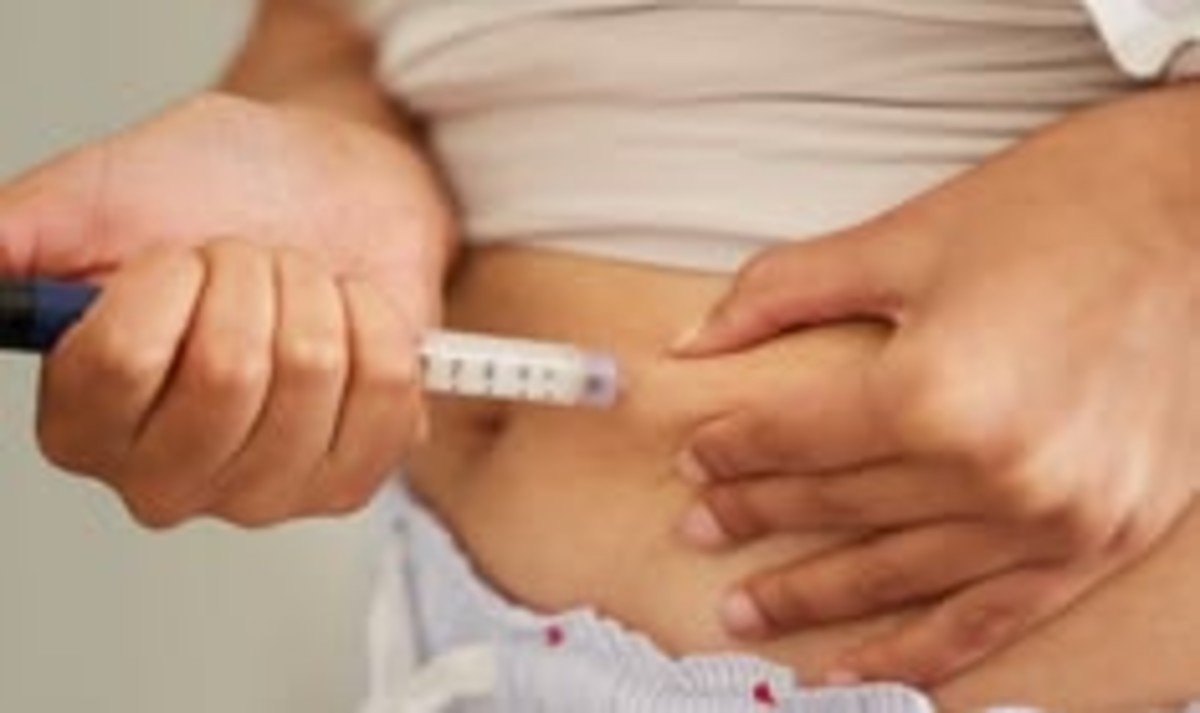
Emma Rodriguez vividly recalls when Lucas, her 12-year-old son, was diagnosed with type 1 diabetes; their life was totally turned over. The never-ending finger pokes, insulin syringes, and actual fear of lethal blood sugar changes are a few things that transformed the Rodriguez family dynamics. Emma reminisced, “Each meal was a math problem to solve. We wished for any method that would allow him a step towards liberation.” Like millions of other families worldwide who have members with this autoimmune disease, they lead their lives managing with technologies and medicines, but a plain, money-wise solution has been always felt as a far-fetched thing. Latest clinical testing outcomes imply that aid can come from a most unlikely source: a bacterial vaccine for lung infection made in the 1920s.
A vaccine named Bacillus Calmette-Gurin (BCG) was Mainly invented to combat tuberculosis. But, it has brought within effort of change of the blood sugar levels for the insulin dependent diabetics and also other autoimmune conditions approximately. In a phase II clinical trial, Dr. Denise Faustman’s research group of Massachusetts General Hospital showed that persons who were administered the BCG inoculations could Greatly lessen their daily use of insulin and at the same time they were able to manage their blood sugar levels better. The presentation of the research, which took place on June 7 2026 at the American Diabetes Association meeting in New Orleans, emphasized that BCG might be able to change the immune system in ways which would be good for patients with type 1 diabetes who unfortunately are also attacking insulin-producing beta cells in their pancreas.
For them, the vaccine is an old, cheap one that has been used around the world in programs for tuberculosis prevention and the safety of it is well known, unlike many modern therapies that are very expensive and require complicated delivery methods. Still, for the research subjects the indications were so profound that they called it transformative. A few of them said that their blood sugar levels were far more stable and they had fewer low blood sugar episodes So lowering the stress mentally that is most of the time connected to diabetes management.
While the vaccine seems to be operating through the metabolic routes by making the cells to take up glucose more efficiently, it was also thought that over time, it could bring about the resetting of the disordered immune system. Earlier stages of the project had already given clues about these outcomes as the patients who had been exposed to the vaccine were seen to maintain the improved changes in their HbA1c levels, for quite some time after the treatment. Dr. Faustman and her colleagues have for the last twenty years been researching the wider use of BCG. They have been able to factor in some of the changes to the immune system that can be attributed to BCG vaccination other than the specific training against tuberculosis that the vaccine relies on. For type 1 diabetes, the vaccine administered repeatedly seems
This new information has been provided to patients who suffer other types of autoimmune diabetes, which shows that BCG vaccine can be used for different applications. Families living with type 1 diabetes, who constantly struggle, not only have to worry about the physical part of the illness, but they are also emotional and financially drained. The expenses of insulin, continuous glucose monitors, and insulin pumps get added very quickly. As a well-known vaccine, BCG can be a more reachable option, Mainly in the developing countries where the people’s access to the advanced technologies of diabetes is limited.
Obviously this is only the beginning and more research is needed. Larger, multi-center trials are being conducted at the same time as the pediatric one is enrolling children 8-17 years old to evaluate BCG’s effect on these patients. The researchers still argue that there is no cure for diabetes but BCG can be an effective tool in living with the disease. The safety of BCG continues to be supported by the data, considering that the drug is well-tolerated and causes mild side effects which are expected because of its long history of usage.
This talk of a vaccine has given Emma and Lucas hope. “If something so simple as this could reduce the injections and worry, it would mean the whole world to us, ” she said. They have utmost faith in the medical experts to come up with medication that will completely cure diabetes. They would look to BCG as a protective shield that guards against complications and infections common in diabetic patients. Studies are going on to determine BCG’s in long-term treatment with existing therapies.
The BCG story shows us the often-unnoticed potential in older treatments. With larger studies and increasing enthusiasm, this hundred-year-old vaccine may soon offer fresh hope to the numerous individuals who are managing type 1 diabetes across the globe.


