

The global energy market is facing one of its most volatile phases in recent history as oil prices surge past the 100 dollar mark, driven by escalating geopolitical conflicts and supply disruptions. What began as a regional conflict has quickly evolved into a global economic concern, affecting everything from fuel prices to international trade and inflation.
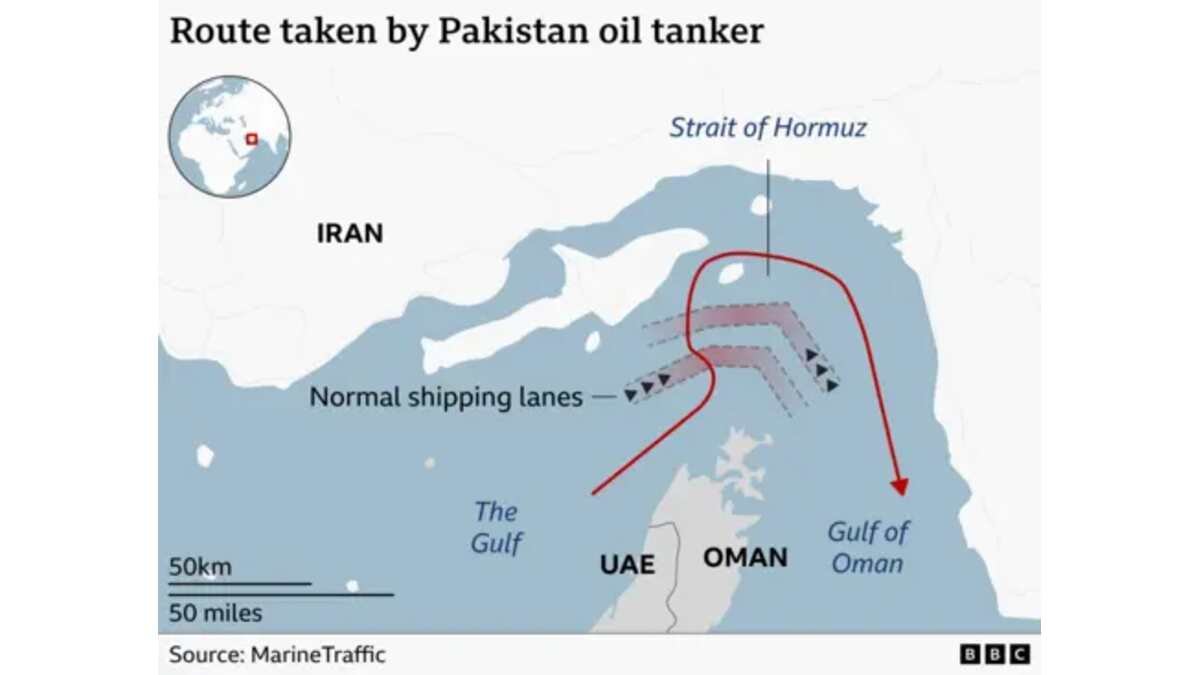
The primary trigger behind this surge is the intensifying conflict in the Middle East, particularly involving Iran and a coalition of global powers. This situation has directly impacted the Strait of Hormuz, one of the most critical oil transit routes in the world. Nearly 20 percent of global oil supply passes through this narrow waterway, making it a vital artery for energy distribution. Any disruption in this region immediately sends shockwaves through global markets.
In early March 2026, oil prices crossed 100 dollars per barrel for the first time in four years, with some benchmarks even touching highs above 120 dollars during peak tensions. The surge has been fueled by direct attacks on energy infrastructure, including strikes on refineries and gas fields, which have reduced production capacity and heightened fears of prolonged supply shortages.
The situation has created extreme volatility in global markets. Prices have been swinging rapidly based on political developments, ceasefire talks, and military actions. In some instances, optimism around diplomatic negotiations has briefly pushed prices below 100 dollars, only for them to rebound again as tensions escalated. This unpredictable pattern reflects how sensitive the energy market has become to geopolitical signals.
The economic implications of rising oil prices are far-reaching. Higher crude prices directly translate into increased fuel costs, which then affect transportation, manufacturing, and overall consumer prices. Economists warn that sustained oil prices above 100 dollars could significantly increase global inflation and slow economic growth. In fact, some financial leaders have cautioned that if prices climb toward 150 dollars per barrel, the world could face a serious economic downturn or even a recession.
Industries that rely heavily on fuel are already feeling the pressure. Airlines, for example, have warned that ticket prices could rise sharply as fuel costs increase, potentially reducing travel demand and impacting global tourism. Similarly, manufacturing sectors are dealing with higher logistics costs, which could lead to increased prices for everyday goods.
The impact is particularly severe for oil-importing countries, which depend heavily on stable energy prices to maintain economic balance. Nations in Asia and Europe are especially vulnerable, as they rely on imports from the Middle East. Disruptions in supply chains have already led to concerns about fuel shortages in some regions, with warnings that prolonged conflict could trigger rationing in extreme cases.
Governments and international organizations are taking steps to stabilize the situation. The International Energy Agency has already coordinated the release of hundreds of millions of barrels from strategic reserves to ease supply pressure. However, these measures are temporary solutions and cannot fully offset prolonged disruptions in production and transportation.
Another important dimension of this crisis is the long-term shift it may trigger in global energy strategy. Countries are increasingly recognizing the risks of relying heavily on a single region for energy supply. This could accelerate investments in renewable energy, alternative fuel sources, and new infrastructure designed to bypass vulnerable routes like the Strait of Hormuz.
Despite occasional dips in prices due to diplomatic progress, the overall outlook remains uncertain. Analysts believe that as long as geopolitical tensions persist, oil markets will continue to experience instability. The current situation highlights how deeply interconnected global energy systems are and how quickly regional conflicts can escalate into worldwide economic challenges.
The surge in oil prices above 100 dollars is not just a temporary spike but a reflection of deeper structural vulnerabilities in the global energy system. As conflicts continue and demand remains strong, the world is entering a period where energy security and geopolitical stability are more closely linked than ever before.


