

Airlines around the world are rapidly scaling back flight schedules and increasing ticket prices in response to a sharp surge in jet fuel costs triggered by ongoing regional tensions in the Middle East. The escalation involving Iran and disruptions around the Strait of Hormuz have more than doubled jet fuel prices in recent weeks, forcing carriers from the United States and Europe to Asia and beyond to trim capacity and pass higher expenses onto passengers just as the busy summer travel season approaches.
United Airlines has announced cuts of approximately five percent of its planned flights in the near term, focusing on less profitable routes, red-eye services, and mid-week departures. The carrier is temporarily suspending some international services rather than operating them at a loss amid elevated fuel bills. Delta Air Lines has scrapped plans to expand capacity this summer, resulting in about 3.5 percent fewer seats than originally scheduled, while also raising checked baggage fees across its network. American, JetBlue, Southwest, and Alaska Airlines have followed suit with similar fee increases to offset rising operational costs.
In Europe, the impact has been equally pronounced. Scandinavian Airlines (SAS) canceled around 1,000 flights in April alone after trimming hundreds more in March, citing the sudden spike in oil and jet fuel prices. KLM, the Dutch flag carrier, announced the cancellation of 80 return flights from its Amsterdam Schiphol hub and suspended routes to Denver and Seattle while reducing frequency to Las Vegas. Ryanair, Europe’s largest low-cost airline, warned it may need to reduce routes if the fuel supply situation worsens further, with its CEO describing the threat as potentially affecting up to 25 percent of operations. Lufthansa and easyJet have also reported softer bookings and are adjusting forecasts downward.
Asian carriers face significant pressure as well. Air New Zealand is slashing flights through May and June while hiking fares, becoming one of the first to implement broad price increases when the conflict intensified. Cathay Pacific plans to cancel about two percent of its scheduled passenger flights from mid-May to the end of June, with its budget arm HK Express cutting around six percent. Air India is shifting its domestic fuel surcharge to a distance-based model and trimming 3.5 percent of passenger capacity, targeting overnight and slower mid-week services. Vietnam Airlines has suspended several domestic routes and requested government relief on environmental taxes to ease the burden.
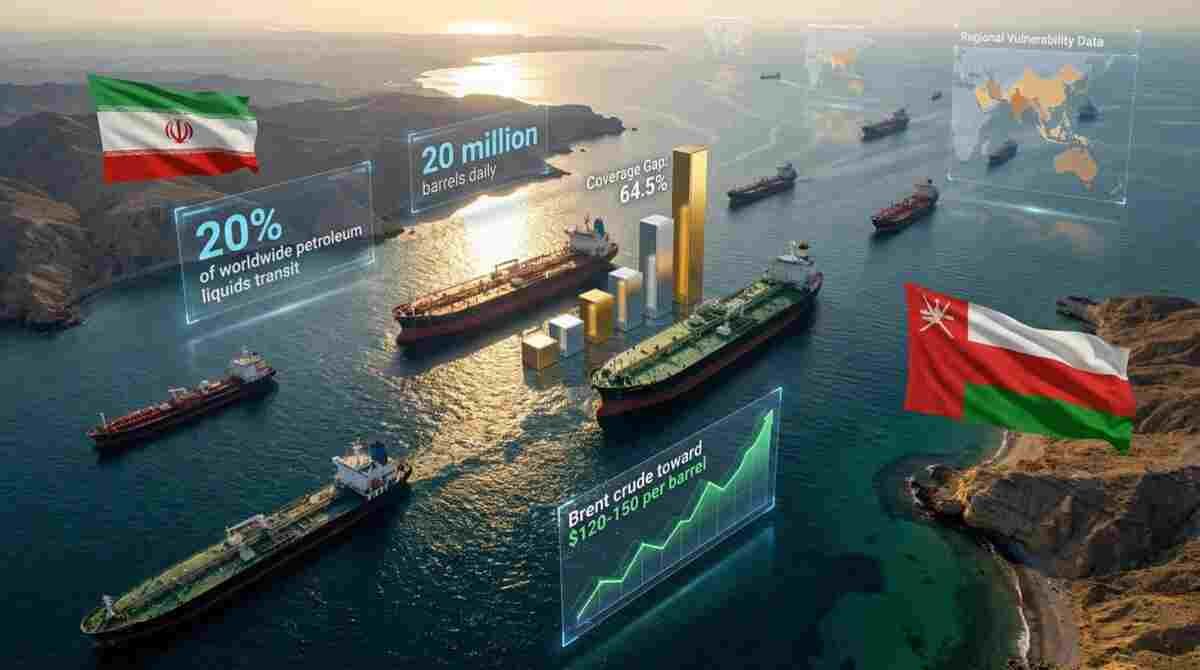
The root cause lies in the tightening of global oil supplies following disruptions in the Strait of Hormuz, a critical chokepoint for roughly 20 percent of the world’s oil trade and a major source of jet fuel refining for Europe and Asia. European jet fuel prices reportedly hit record highs above $1,800 per tonne, more than double pre-conflict levels, while Asian markets saw increases nearing 80 percent in some cases. Analysts estimate global airline schedules for April have already been reduced by roughly five percent compared to earlier plans, with the most significant cuts concentrated in the Middle East but spreading to transatlantic, transpacific, and intra-Asian routes.
Many carriers are also introducing or raising fuel surcharges on long-haul flights, particularly those linking Europe, Asia, and North America. Some have begun carrying extra fuel on board or adding refueling stops to manage supply risks, further increasing costs and flight times. In extreme cases, airlines in regions heavily dependent on Middle Eastern energy imports, including parts of Asia and Africa, have warned of potential broader service suspensions if prices remain elevated.
Travelers are already feeling the effects through higher airfares, which have risen 20 to 40 percent on affected routes in recent weeks, along with increased baggage fees and fewer flight options. Leisure and price-sensitive routes have been hit hardest, while premium and high-demand business corridors see more resilient pricing. Industry experts caution that without a swift resolution to the underlying tensions and restoration of stable fuel supplies, the disruptions could extend well into the peak summer period, potentially dampening overall travel demand.
As airlines prioritize profitability and fuel efficiency, the current crisis underscores the vulnerability of global aviation to geopolitical events. Carriers are redeploying aircraft to more lucrative routes and accelerating efficiency measures, including fleet modernization where possible. For passengers, the message is clear: flexibility in travel dates, routes, and booking early may help mitigate the impact of higher costs and reduced schedules in the months ahead.
The situation remains fluid as diplomatic efforts continue around the Iran conflict. Until supply chains stabilize and jet fuel prices ease, the aviation industry faces a challenging period of adjustment, with ripple effects likely to influence everything from vacation planning to business travel worldwide.


