
At least nine people have died in Equatorial Guinea from the “outbreak” of the Marburg virus, which causes hemorrhagic fever and is similar to the Ebola disease, World Health Organization (WHO) said on Monday.
The Marburg virus is a rare and highly virulent infection that belongs to the family Filoviridae, which includes ebola and yellow fever viruses. It has a fatality rate of up to 88% and is a serious threat to public health in regions where the virus is endemic.
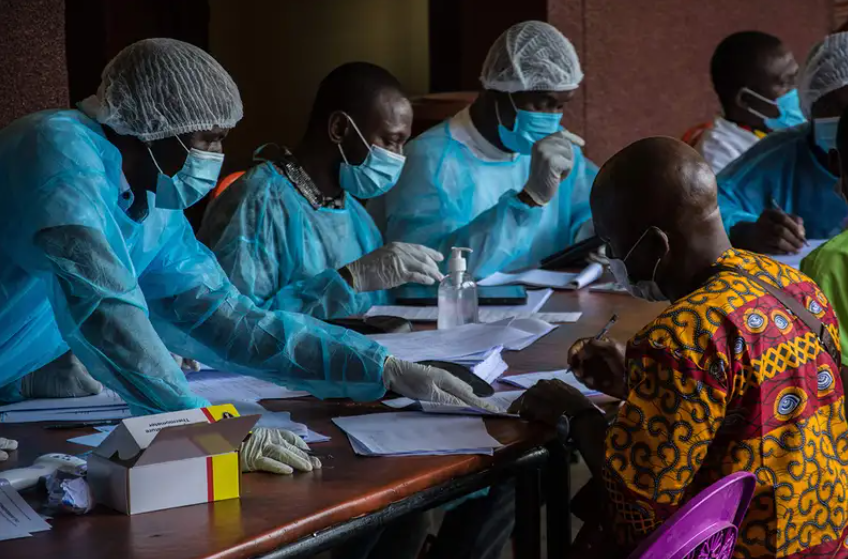
WHO has been assisting the government in confirming the outbreak and has sent teams to conduct contact tracing, isolate suspected cases and treat them for the illness. It has also asked other countries to contribute their expertise, resources and equipment, so that they can respond quickly and efficiently if the disease spreads.
BACKGROUND
In 1967, a series of hemorrhagic fevers caused by a new agent were detected in laboratories in Germany (Marburg and Frankfurt) and in the former Yugoslavia, now Serbia (Belgrade). Seven of 31 infected patients developed a severe illness that progressed to internal bleeding, shock and death for 7 of them. The first-ever detection of Marburg virus was in the laboratory of a German research group that was studying the pathogens behind polio infections.
It has a zoonosis-like reservoir host, the fruit bats, in Africa, and is transmitted to humans through direct contact with the blood, secretions and organs of infected individuals. Unlike Ebola virus, which is triggered by heavy rains and subsequently associated with high case-fatality rates, the transmission of Marburg virus occurs sporadically among populations with a low incidence of imported cases.
Symptoms of Marburg hemorrhagic fever include a high temperature and headache. These are followed by muscle aches, abdominal pain and vomiting. Other symptoms may include diarrhoea, fatigue and a feeling of weakness or heaviness. The onset of symptoms may occur suddenly and many infected people develop severe hemorrhagic complications within seven days, including gastrointestinal bleeding and blood in the urine or stools.
The disease has a fatality rate of up to 88 percent, but supportive care – rehydration and treatment of specific symptoms – can improve survival. The WHO is assessing vaccines, antivirals and drug therapies for potential use in treating Marburg patients.